I have photographed a lot of people in my life.
Artists, friends, strangers, people I have met for five minutes and people I have known for years.
But photographing someone you love is different.
I have been thinking about this a lot recently.
My father died a few weeks ago.
And suddenly photographs have acquired a different weight.
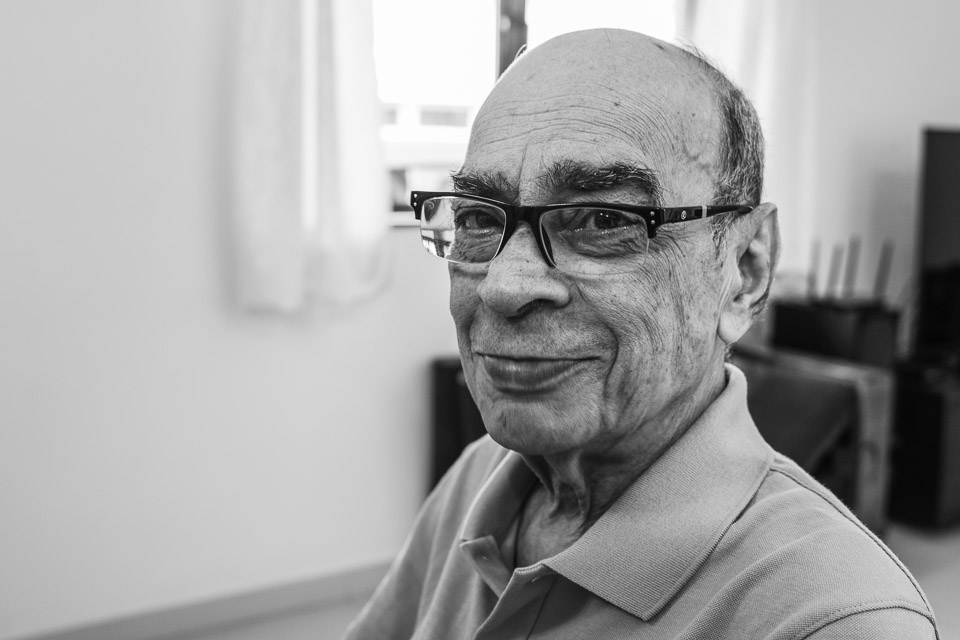
I have photographs of him.
Some good.
Some ordinary.
Some that I probably did not think much about when I made them.
That has changed now.
I look at them differently.
There is something strange about photographing someone you love. You are making a record of a person who is present, while somewhere in the back of your mind you know that the photograph may one day become a record of their absence.
Perhaps we don’t think about that when we press the shutter.
Perhaps we don’t want to.
We photograph because we want to remember.
But memory is unreliable. It changes. It loses details.
A face that you once knew completely can become difficult to reconstruct in your mind. You remember the eyes but not quite the shape of the face. You remember the voice but struggle to remember exactly how it sounded.
A photograph seems to promise that this will not happen.
There he is.
Still.
Looking back at me.
But a photograph cannot give me the person.
It gives me a moment.
That distinction becomes painfully clear when the person is no longer there.
I find myself looking at photographs of my father and noticing things I had never noticed before.
The way he stood.
The expression on his face.
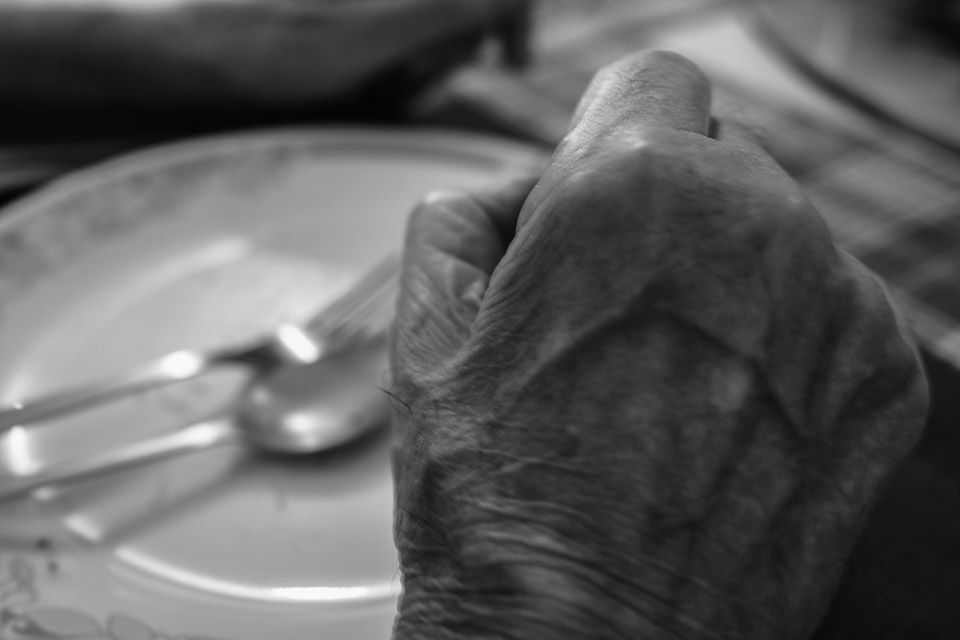
His hands.
The clothes he wore.
Little things that meant nothing when I made them because there was no reason to study them.
He was simply there.
That is the strange privilege of having someone alive.
You don’t have to memorise them.
You assume there will be another conversation.
Another visit.
Another photograph.
You think there will always be time.
Until there isn’t.
For a while, I found myself trying to make sense of that.
I spoke to my guru.
Perhaps I needed someone outside the immediate grief to give me another way of looking at what had happened.
He reminded me that destiny plays its part.
He said my father had lived a full life.
And that he is now in a good place.
There is a simplicity in those words that I needed.
They don’t take away the loss. They don’t ask me to stop missing him.
They give me a way of accepting what I cannot change.
There are things we have no control over.
Death is one of them.
We can question it.
We can resist it.
We can wish for more time.
But eventually we have to move on.
That does not mean leaving the person behind.
It means carrying forward what they gave us.
The good memories.
The things they taught us.
The ways they shaped us, sometimes without even knowing they were doing it.
That has changed how I look at the photographs of my father.
I am no longer looking at them only as evidence of someone who is no longer here.
I am looking at them as reminders of someone who was here.
There is a difference.
I have also started thinking about all the photographs I did not take.
The ordinary moments.
The conversations.
The meals.
The times he was simply sitting somewhere.
The things that did not seem important enough to photograph.
You cannot photograph everything.
Nor should you.
Some memories belong only to the people who were there.
A photograph is not a substitute for memory.
It is a place where memory can begin.
But the person we are looking for is never entirely inside the frame.
My father is there, and he isn’t.
There is his face.
His body.
His expression.
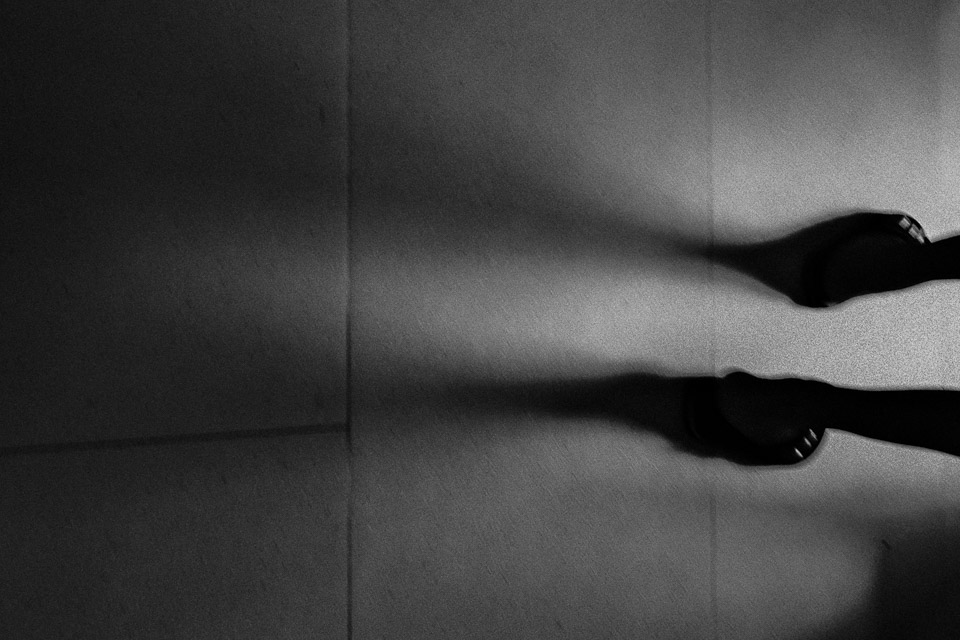
A particular moment of his life.
But there is also everything outside the frame.
His voice.
His mannerisms.
The things he said.
The things he never said.
The ordinary familiarity of having him around.
That cannot be photographed.
Perhaps that is why photographs matter after someone passes away.
They remind us that they were never meant to contain a person.
They can only hold a moment.
The rest stays with us.
I am still taking photographs.
I am still looking.
But I am also learning to put the camera down.
My father lived a full life.
He is in a good place.
I hold on to those words.
We have to move on. There is no other way.
But moving on does not mean leaving him behind.
My father lives in me.
He lives in my brother.
He lives in my nephew.
He lives in all the people who knew him, loved him, learnt from him and were influenced by him.
That is where he remains.
In the way we remember him.
In what he taught us.
In the parts of him that have become part of us.
The photographs are important, but they are only photographs.
What matters more is what remains after we put them down.