As a photographer, my practice is rooted in reality.
I work with what is in front of me. Light. Surface. Bodies. Objects. Time. The camera records what exists. It does not invent.
Yet I am drawn, again and again, to shadows. As are some other artists I know.
It may sound contradictory. A medium associated with documentation, and a subject that feels elusive. But shadows are as real as the objects that cast them. They are evidence. They are proof of presence. At the same time, they are distortion. Extension. Absence.
Years ago, while reading spiritual texts, I came across the idea that what we perceive as reality is partial. That the material world is transient. That we are living in a kind of illusion, removed from a deeper truth. In many spiritual traditions, the self we identify with is a fragment, a projection, a shadow of something more essential.
That idea stayed with me.
Perhaps that is why shadows hold me.
A shadow reflects the real, yet it is altered. It stretches. It bends. It simplifies detail into silhouette. It removes surface information and leaves only contour. In doing so, it reveals structure. It strips away distraction.
There is also a quiet sadness in a shadow. It follows faithfully, yet it has no autonomy. It depends entirely on light and form. When the light shifts, it disappears. When darkness arrives, it merges and dissolves. It is present and absent at once.
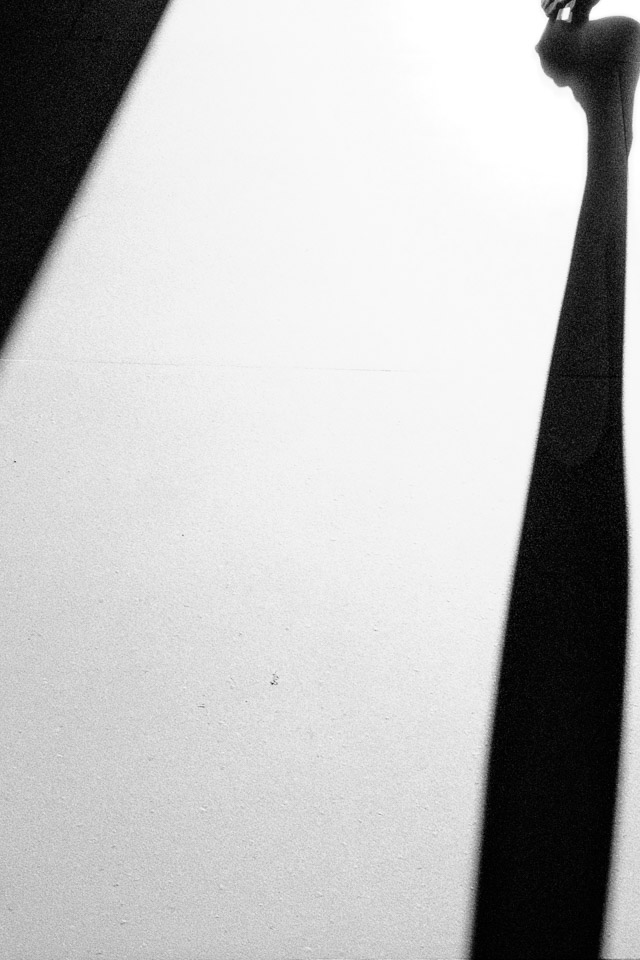
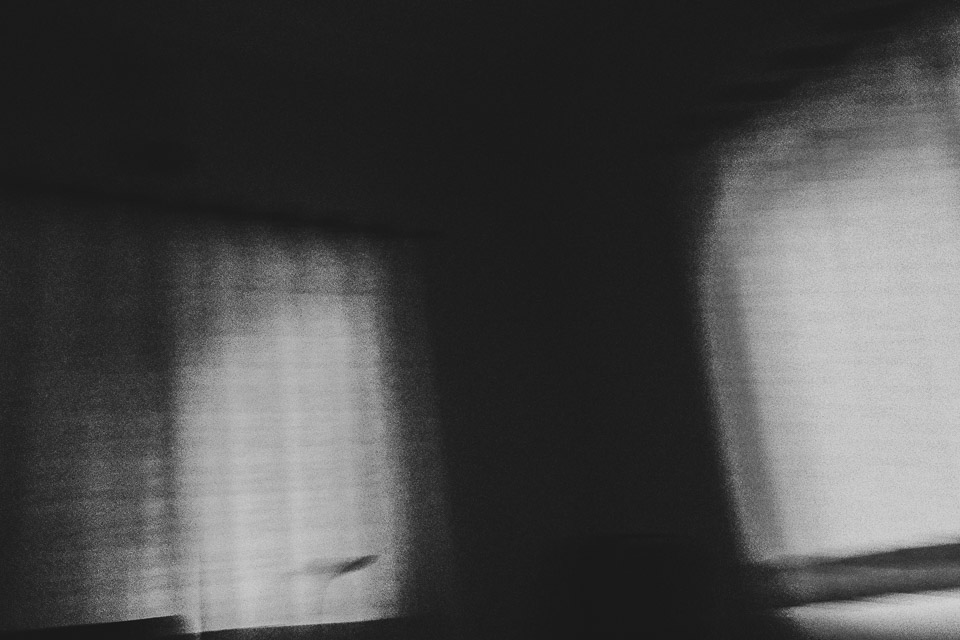
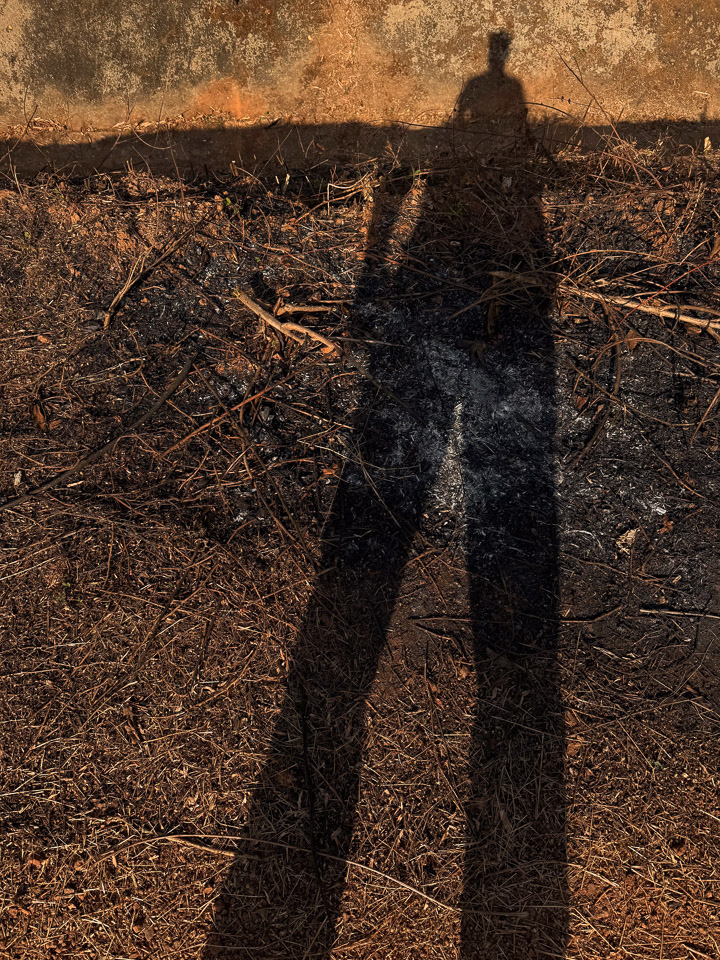
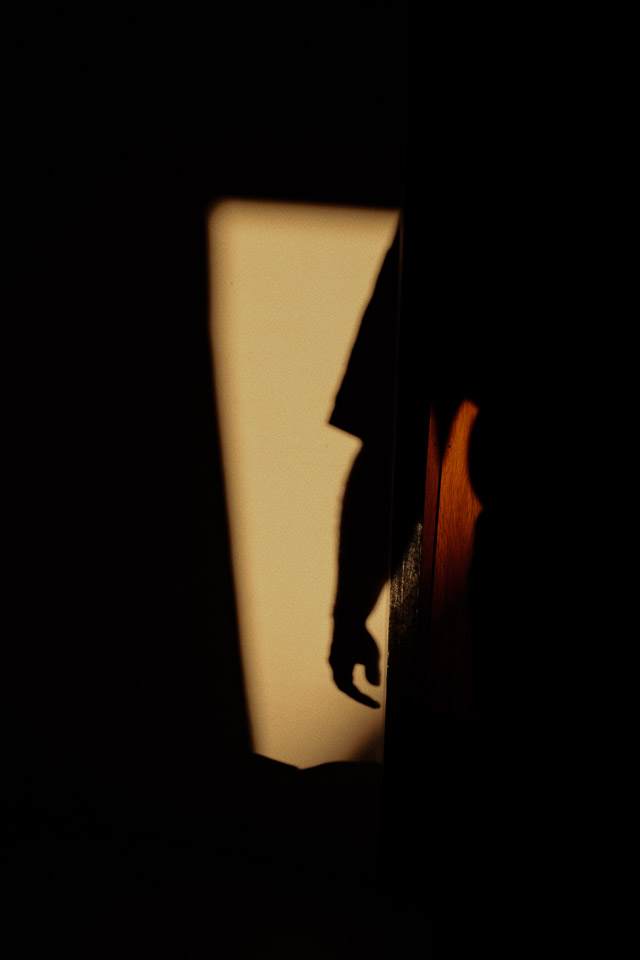
I often photograph shadows cast by animate and inanimate objects. A human figure elongating across a wall. Windows creating a surreal room. A tree fractured by uneven pavement. In each case, the shadow feels like a parallel existence. Being there, yet not there.
The photograph captures both. The object and its echo.
What interests me is that the shadow sometimes feels more truthful than the object itself. The object carries identity, context, narrative. The shadow reduces it to essence. A body becomes a gesture. A building becomes a plane. A leg becomes a line.
There is mystery in that reduction.
You cannot fully grasp a shadow. You cannot touch it. You cannot hold it. It slips away the moment you try to fix it. Yet in an image, it remains. Suspended. Preserved.
Maybe my attraction is philosophical. Maybe it is emotional. Maybe it is both.
Shadows suggest what could have been. They hint at other versions of the same form. They remind me that what we see is incomplete. That behind every solid presence there is something less tangible, less defined, but equally significant. The shadow becomes a metaphor without trying to be one.
A reminder that essence often lies beyond what is fully visible.