There are moments that feel almost archival now.
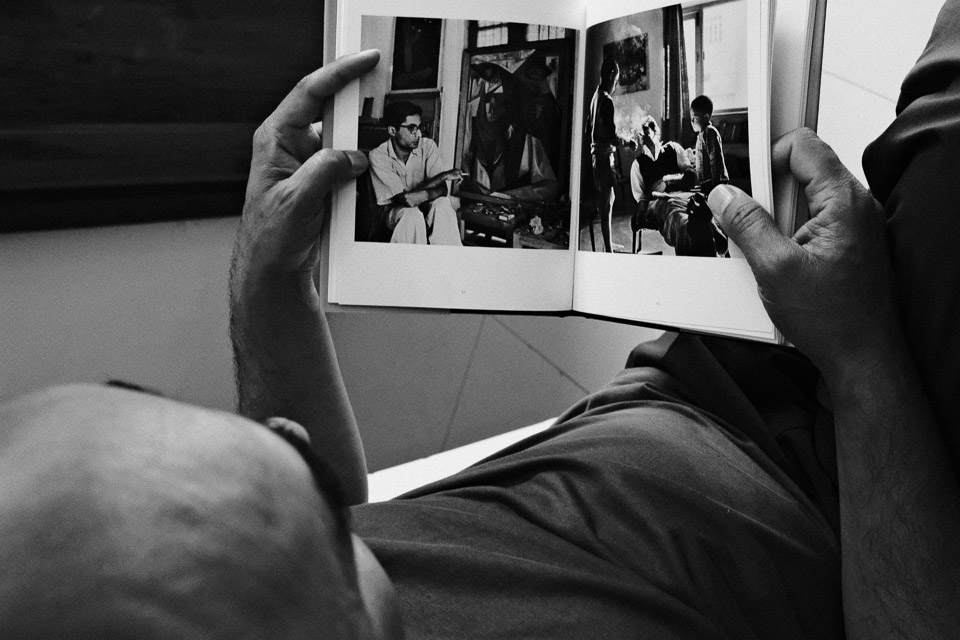
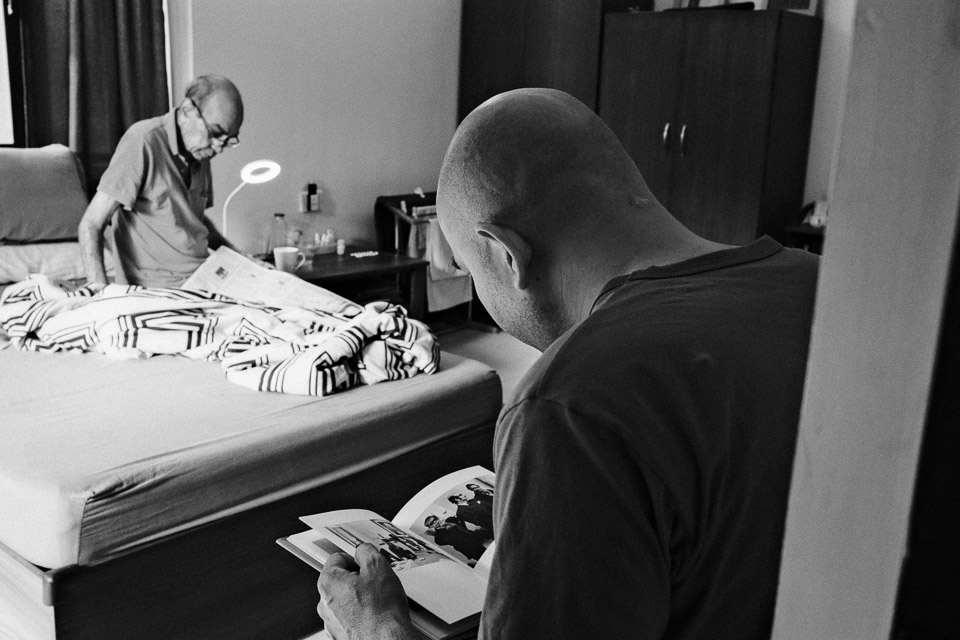
This morning I saw my father reading a physical newspaper. Pages spread out. The slight rustle as he turned them. No glow. No notifications. Just him and the printed word. Later I saw Abhijit seated quietly with a photobook in his hands. Slowly turning pages. Sitting with images. Not scrolling. Looking.
It struck me how rare this has become.
People still read. Of course they do. They consume text all day. Headlines. Captions. Messages. Endless fragments. What feels rare is sustained reading. Physical reading. The act of holding something that has weight. Paper that absorbs light instead of emitting it.
A physical newspaper demands presence. You cannot skim it the way you skim a feed. You see stories you did not search for. Your eye wanders. You discover by accident. That accident is important. Algorithms remove accident. They give you what you already agree with.
A book is even more intimate. A photobook in particular asks for time. You sit with an image. You move forward deliberately. You can go back. You feel the sequence. The pacing. The silence between pages. That silence matters. On a screen, silence is filled instantly.
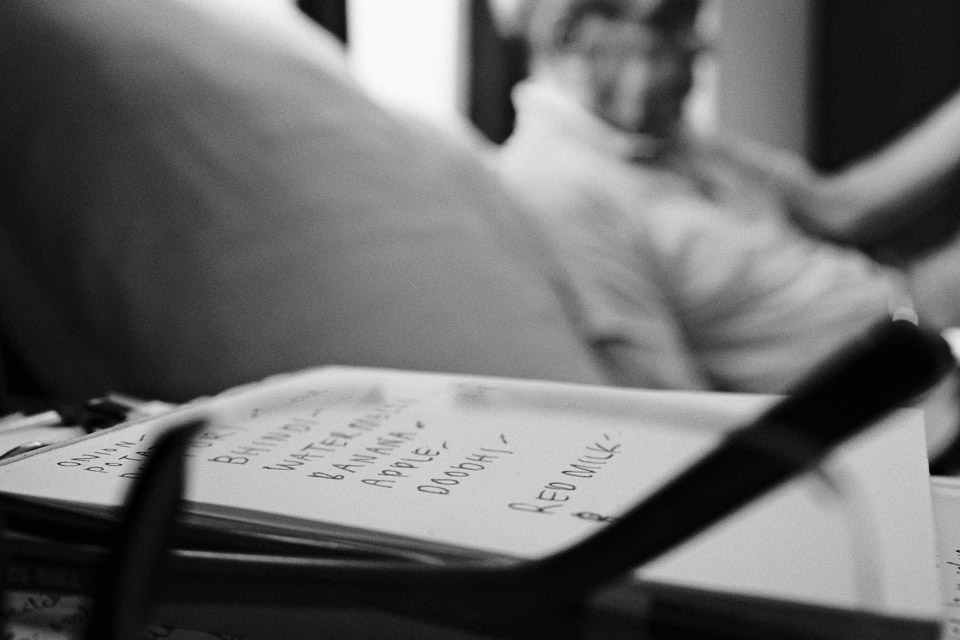
Writing with a pen feels similar. The hand slows the mind. You cannot backspace your thoughts into neatness. You commit. There is friction. That friction sharpens thinking. Typing is efficient. Writing by hand is reflective.
We speak often about attention as though it is something abstract. It is not. It is trained by habit. When the body holds paper, the mind behaves differently. There is a beginning and an end. There is spatial memory. You remember that an article was on the bottom left of a page. You remember that a photograph appeared after a fold. The object becomes part of memory.
Screens flatten experience. Everything is one long vertical scroll. Endless. Interchangeable. Replaceable.
I am not nostalgic for the past. Technology is not the enemy. Digital tools have expanded access, speed, and possibility. But speed has a cost. When every text competes for your attention, depth becomes optional.
Seeing my father with his newspaper felt grounding. Seeing Abhijit with a photobook felt deliberate. Both were choosing to slow down. To give time. That is an active choice now.
Physical reading is not about romance. It is about discipline. It is about training the mind to stay. To look carefully. To think beyond a headline. In art, this matters deeply. You cannot understand an artwork in three seconds. You cannot understand an artist through a caption. Serious engagement requires duration.
Perhaps that is what struck me most. These were small scenes. Ordinary. Yet they felt rare. Almost defiant.
Maybe the future will bring new formats that restore depth in different ways. I hope so. But until then, there is something powerful about paper. About ink. About the simple act of turning a page.
It reminds you that attention is physical. And that time, when given fully, changes what you see.